
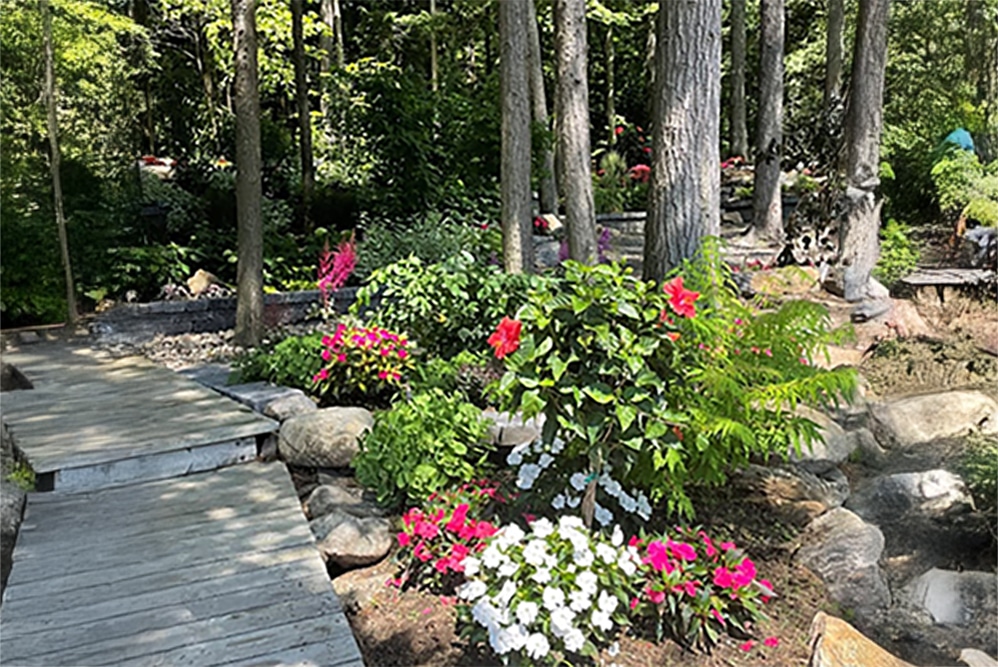
In gardening, weeding is not optional. It is essential. Left unchecked, weeds overtake soil, suffocate roots, and block the sunlight new growth needs to thrive. It is the same with our inner world. Our minds, like gardens, accumulate clutter: old frustrations, outdated habits, mental loops, and invisible resentments. And just like a gardener tending their soil, we need to clear space regularly to allow something new to take root.
Welcome to this edition of Workplace Wisdom, where we explore how weeding your internal landscape can create fertile ground for creativity, connection, and clearer thinking in the office.
The Mental Clutter We Carry
Weeds in the mind can take many forms:
- Lingering resentments from unresolved team tension
- Perfectionism that chokes off fresh ideas
- Constant multitasking that keeps the soil of your attention shallow
- Outdated routines that no longer serve current goals
- Self-doubt that creeps in and wraps around every new thought
These mental “weeds” might not scream for attention, but they sap your energy and silently compete with your creative potential. Without regular reflection and release, they grow wild. This leaves little room for focus, innovation, or joy in your workday.
Weeding as a Creative Act
Many people associate weeding with grunt work. It feels tedious, repetitive, and like a chore. But in truth, weeding is generative. It is not just about removal. It is about creating space. Just as a freshly weeded garden can breathe again, so can your mind.
Here is how this metaphor translates into a workplace mindset:
- Decluttering mental space allows new solutions and fresh perspectives to emerge
- Letting go of outdated beliefs opens up capacity for collaboration and learning
- Quieting internal noise enhances decision-making, presence, and connection
- Creativity does not flourish in chaos. It needs room to move, light to stretch toward, and trust in the process.
How to Weed Your Mental Garden at Work
You do not need a shovel. You only need a willingness to be honest with yourself and clear a little space each day. Try these strategies:
- Schedule a Weekly Debrief. Take 15 minutes at the end of the week to reflect:
- What drained you?
- What inspired you?
- What did you hold onto that you could let go?
- Name the Weeds – Identify thoughts or behaviours that are crowding your mental space:
- “I’m the only one who can do this right.”
- “If I slow down, I’ll fall behind.”
- “They never listen to me.”
- Naming them helps loosen their hold.
- Set Boundaries That Protect Your Soil – Boundaries around time, focus, and emotional labor help preserve fertile ground. You do not owe everyone everything.
- Make Room for Rest and Input – Weed-clearing is not just removal. It is also about replenishment. Space needs to be filled with good soil: quiet, curiosity, music, movement, or laughter.
The Ripple Effect
When you commit to weeding your own mental garden, you create a ripple in the workplace ecosystem.
- You show up clearer, less reactive, and more open
- You model boundaries and renewal for your team
- You increase your capacity to listen, lead, and innovate
A workplace filled with people who tend their mental gardens becomes a place of possibility rather than pressure.
Wisdom at Work
Creativity is not a lightning bolt. It is a slow bloom. And every bloom starts with preparation. If your mind is tangled with weeds, there may be no space for the next big idea to grow. So this week, take a pause. Reflect. Weed. Breathe. Your mind is soil. Treat it with care.